Harley Street consultation enquiry
Hair Transplant London
FUE & DHI hair transplants from £3,499
Surgeon-led care with Dr Harpreet Kalra
GMC reference 7126076 · 22a Harley Street


Contents [show] [hide]
Harley Street Hair Transplants
We are a surgeon-led hair transplant clinic in London. Our surgeon is Dr Harpreet Kalra, GMC reference 7126076.
We offer hair transplant methods including FUE, FUT and DHI hair transplants.
Your health, care and safety are of the utmost importance to us which is why we offer a welcoming facility with friendly staff to make sure your experience with us meets and sometimes exceeds your expectations. From the consultations with our patient advisors and surgeons through to surgery and aftercare, we are with you every step of the way.
Hair Transplant Before & After Results
Why Patients Trust Us
GMC-registered doctor
Dr Harpreet Kalra is on the GMC register: reference 7126076.
Natural-looking results
Our goal has always been to exceed patient expectations with natural-looking results.
Free consultations
Want to know more? Fill in our online form or call 020 8088 1333 to book a free consultation.
Payment plans
We want to make hair transplant procedures affordable and accessible. You can discuss the available payment arrangements at consultation.
Patient Reviews & Testimonials
Aside from achieving fantastic results, we believe that keeping in touch with our patients before, during and after their hair transplantation procedure is paramount – it helps to keep our patients feeling calm and in control. We’re always on hand to provide guidance, support and aftercare advice. Time and again, our patients tell us that this is what sets us apart from other clinics.
You can read our great reviews of FUE hair transplants over on Google.
What Hair Restoration Procedures We Offer
We offer a range of hair loss treatments from FUE hair transplants to improve your hairline, to beard transplants to give you fuller-looking facial hair as well as eyebrow transplants for a fuller look.
If you’re currently struggling with baldness or thinning hair, then you’re far from alone. Androgenetic alopecia, more commonly known as male pattern baldness, is a common cause of hair loss. We’re here to help with your hairline and confidence.
Hair transplants aren’t just for men – we also offer female hair transplants as well as hair loss treatments and eyebrow transplants to help restore over-plucked brows.
Find out more about our most popular treatments in the links below:
FUE Hair Transplant
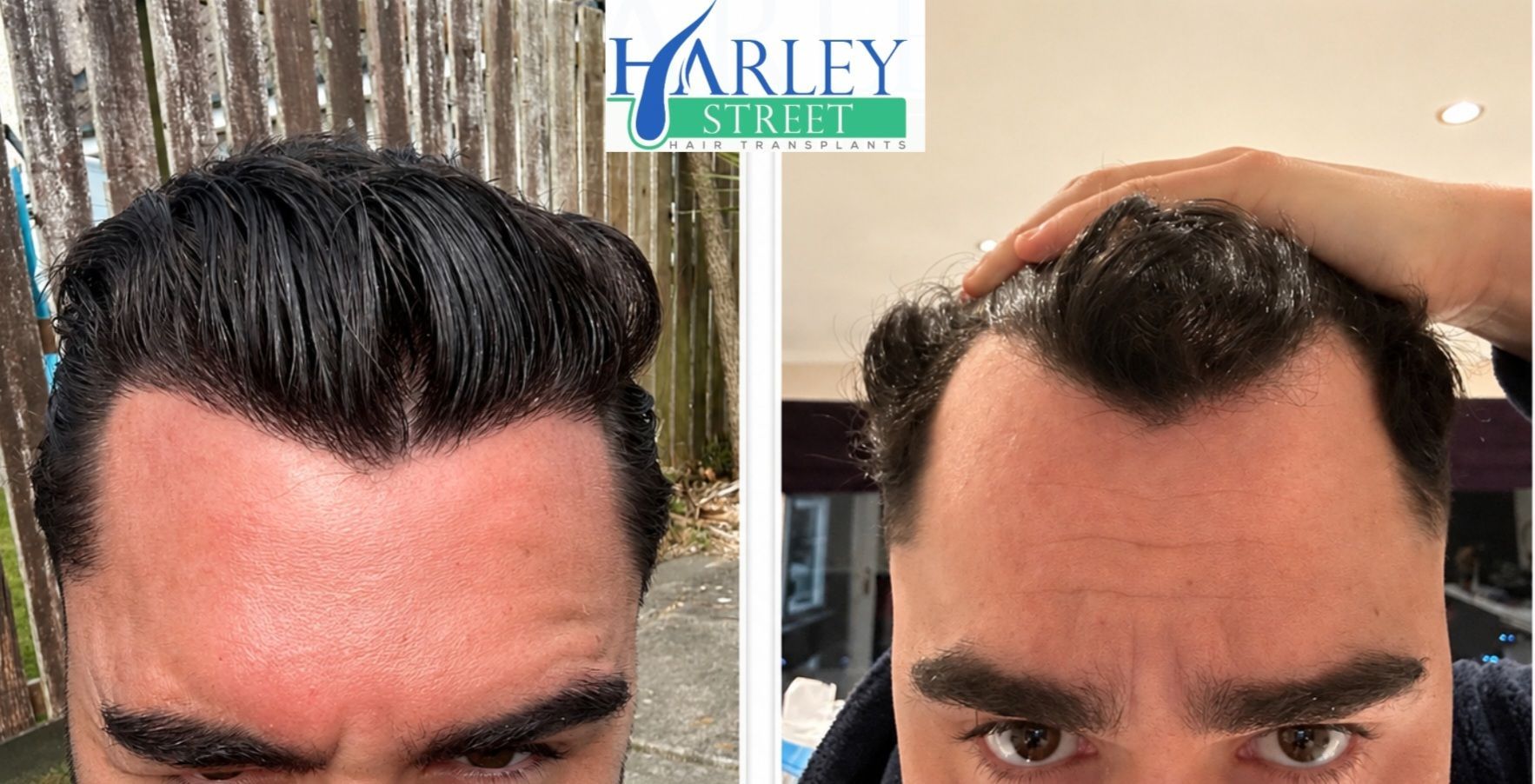
FUE Hair Transplants that are performed in our London clinic involve extracting DHT resistant hair follicles from the donor area (back and sides of the head) and transplanting them into the areas of hair loss typically at the frontal hairline, middle (bridge) and crown areas. FUE leaves small circular scars and avoids the linear donor scar associated with FUT.
FUE Hair TransplantBeard Transplant
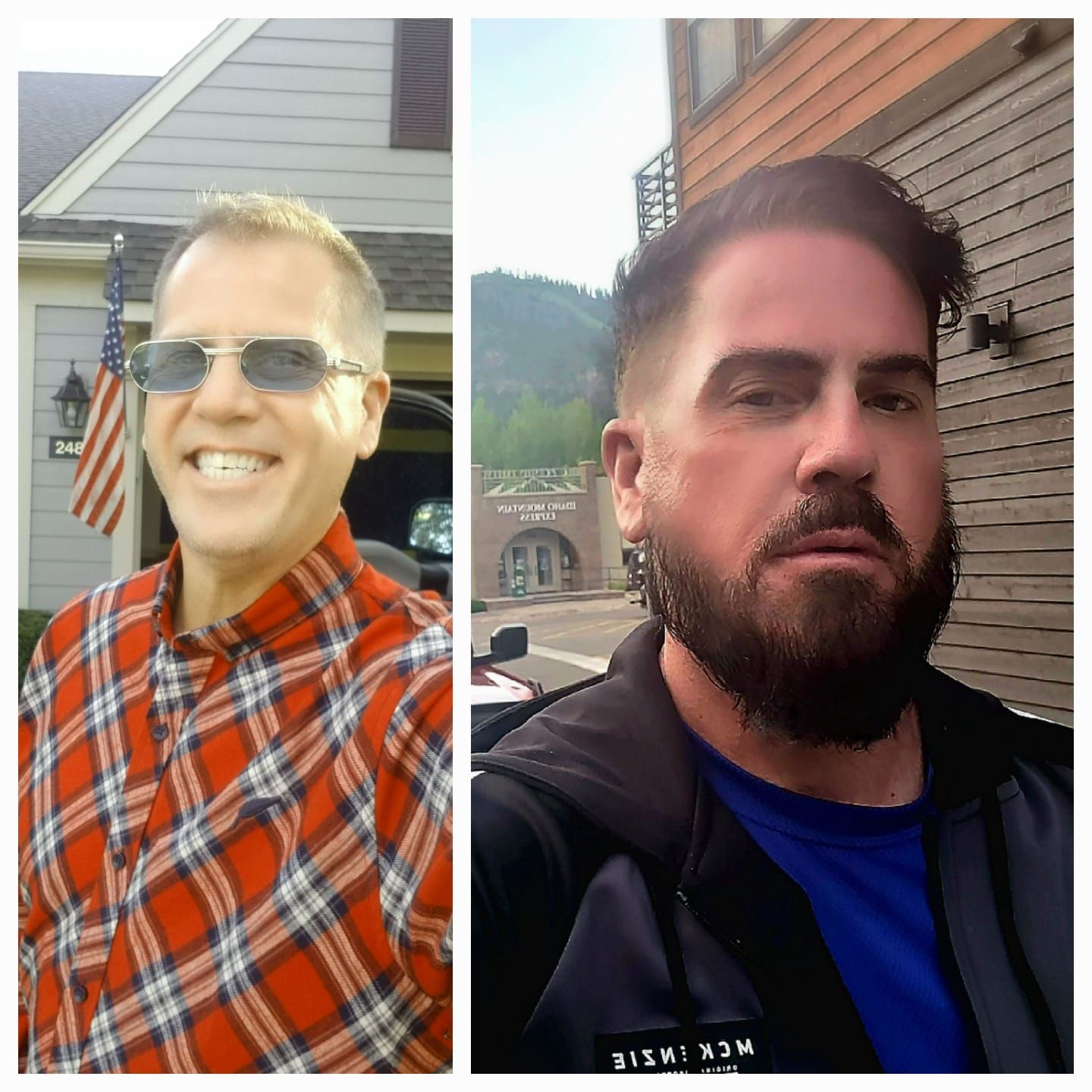
Beard Transplants are performed in a similar way to FUE Hair Transplants except for when implanting the healthy hair follicles, instead of the scalp, they are implanted into the beard region. The importance of great design as well as incision angles and implantation are key to achieving a visually appealing look that most of our patients are wanting.
Beard TransplantEyebrow Transplant

Eyebrow Transplants are performed in a similar way to FUE Hair Transplants except for when implanting the healthy hair follicles, only single hair follicles are implanted into the eyebrow region. They are typically the quickest out of the 3 as they have the smallest surface area to cover. The keys to achieving great results are the incision and implantation angles.
Eyebrow TransplantMore Treatment Options
DHI Hair Transplant
DHI normally combines individual follicular-unit extraction with graft placement using an implanter device.
An implanter controls the depth, angle and direction of placement. Whether DHI suits you depends on the recipient area, donor hair and the rest of your treatment plan.
Find out more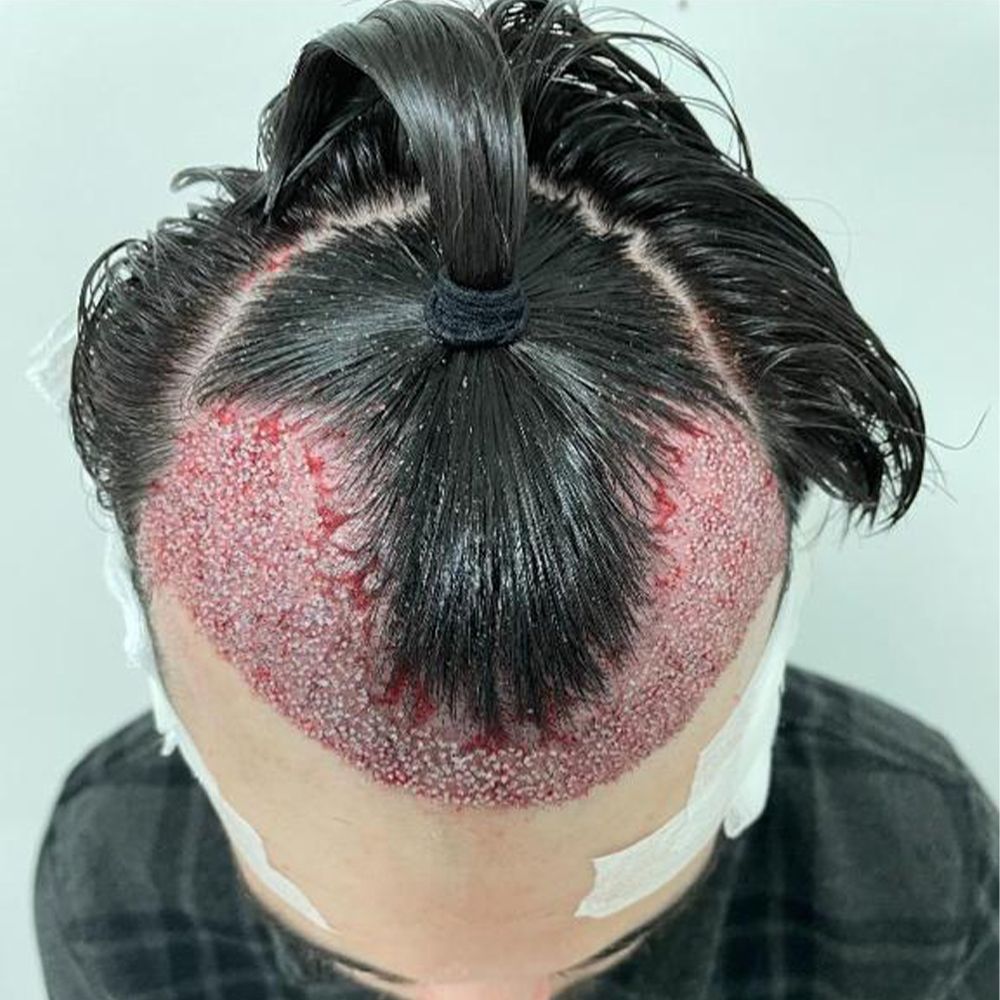
FUT Hair Transplant
With FUT, a narrow strip of hair-bearing scalp is removed from the donor area and divided into individual follicular-unit grafts for transplantation.
FUT leaves a permanent linear donor scar but may still be appropriate for selected patients depending on donor supply, scalp laxity and graft requirements.
Find out more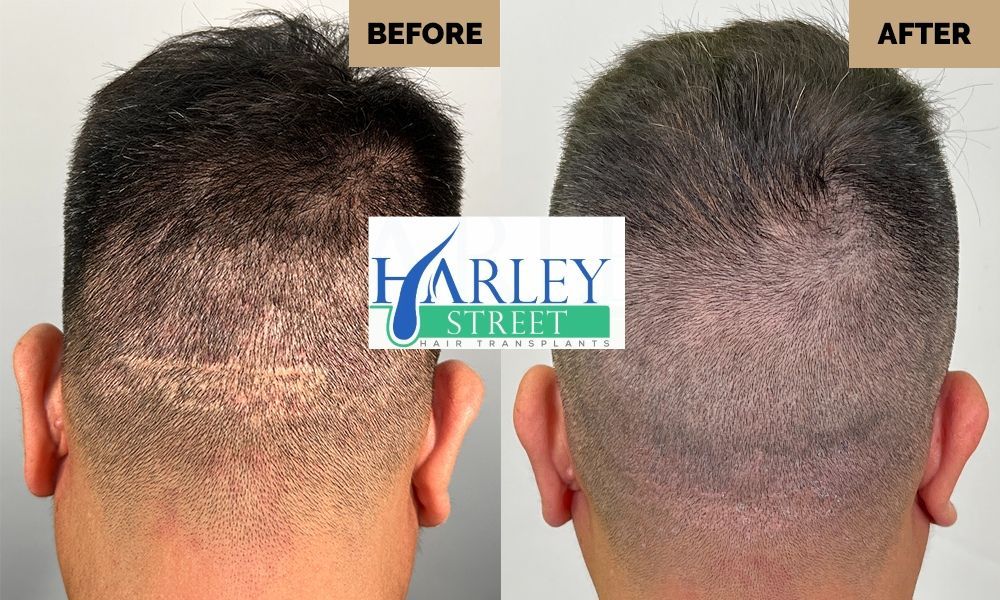
Crown Hair Transplant
A crown transplant restores thinning through the vertex by placing grafts to follow the patient’s natural crown or whorl pattern.
A crown can need a substantial number of grafts. Its size, your donor supply and the likelihood of further thinning all need to be considered.
Find out more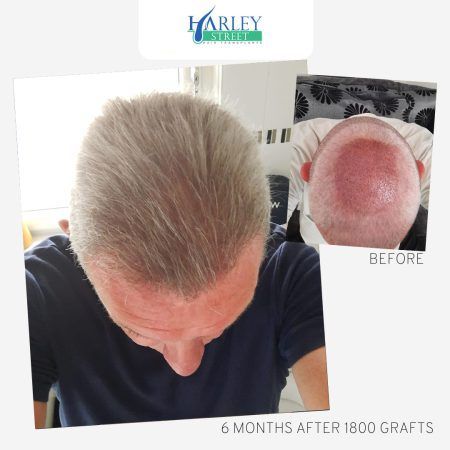
Gender-affirming Hair Transplantation
Gender-affirming hair transplantation can address the frontal hairline, temples, scalp or facial hair. The plan is shaped by the individual’s existing growth pattern, donor supply and treatment goals.
Find out more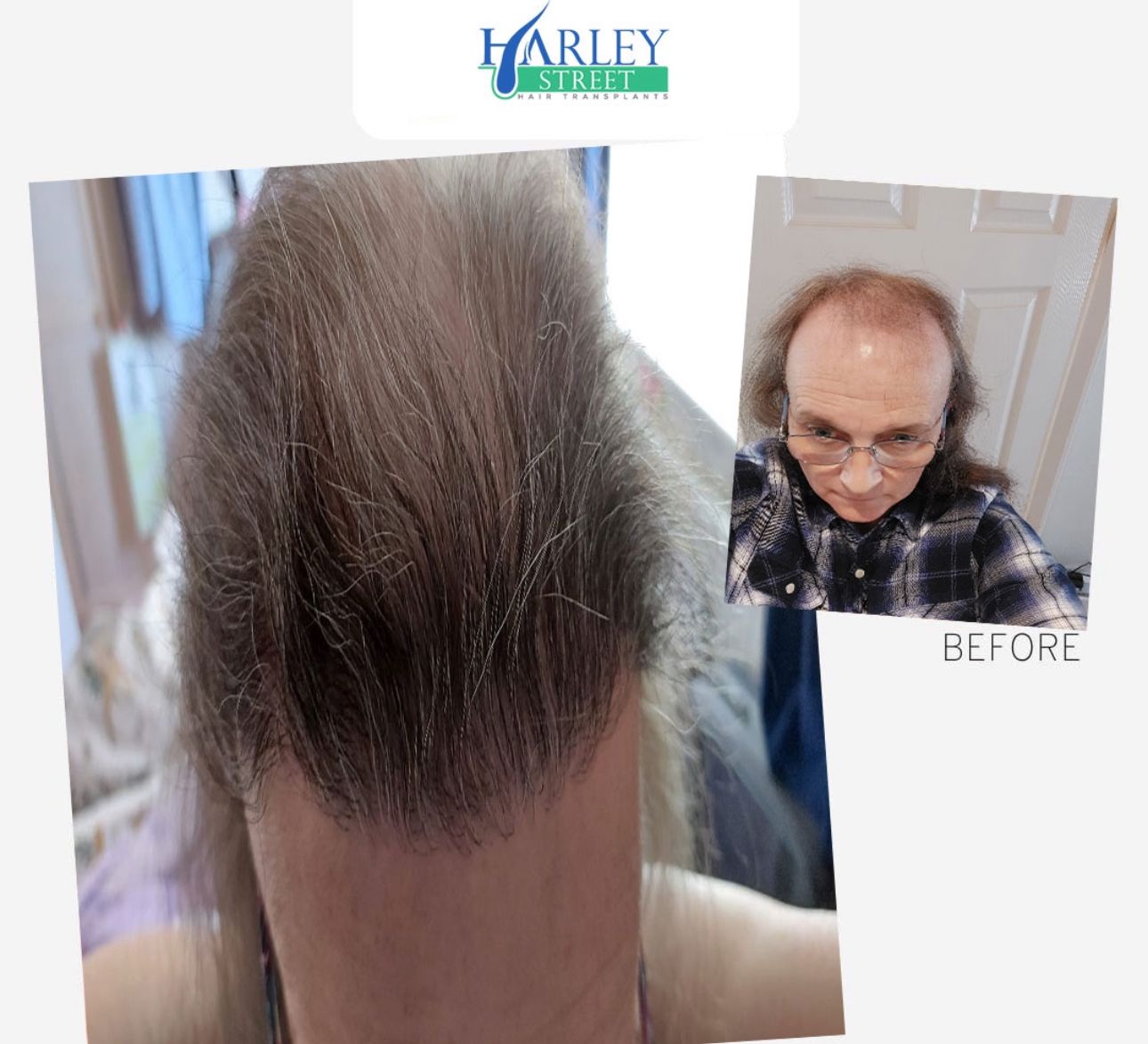
PRP Hair Treatment
PRP is a non-surgical treatment. A blood sample is processed to prepare platelet-rich plasma, which is then introduced into selected areas of thinning hair.
PRP does not move donor follicles and therefore cannot physically rebuild an absent hairline in the way transplantation can.
Find out more
Find out which treatment may be suitable for you at a free consultation with our team.
BOOK YOUR FREE CONSULTATION TODAYPatient Hair Transplant Experiences
Recovery to 6 Months
This video follows the early healing period, shedding stage and gradual development of new growth. Our aftercare guide explains washing, sleeping, exercise, scabbing and donor-area care in more detail.
Crown Hair Transplant Result
Transplanted follicles in the crown mature gradually. Our month-by-month hair transplant timeline shows why six months is still an intermediate stage rather than the finished result.
Why Have a Hair Transplant Procedure in London?
London’s Harley Street is one of the centres for medical procedures such as hair transplants. Our London clinic offers surgeon-led hair transplantation and aftercare.
Patients tell us that they feel more confident about themselves after treatment. Their reasons for seeking a transplant are personal, and the consultation is a chance to discuss the change they would like to make.
Other patients have come to our London clinic for help with part of their gender-affirming treatment as we also perform transgender hair transplants in London.
Meet Our Hair Transplant Surgeon
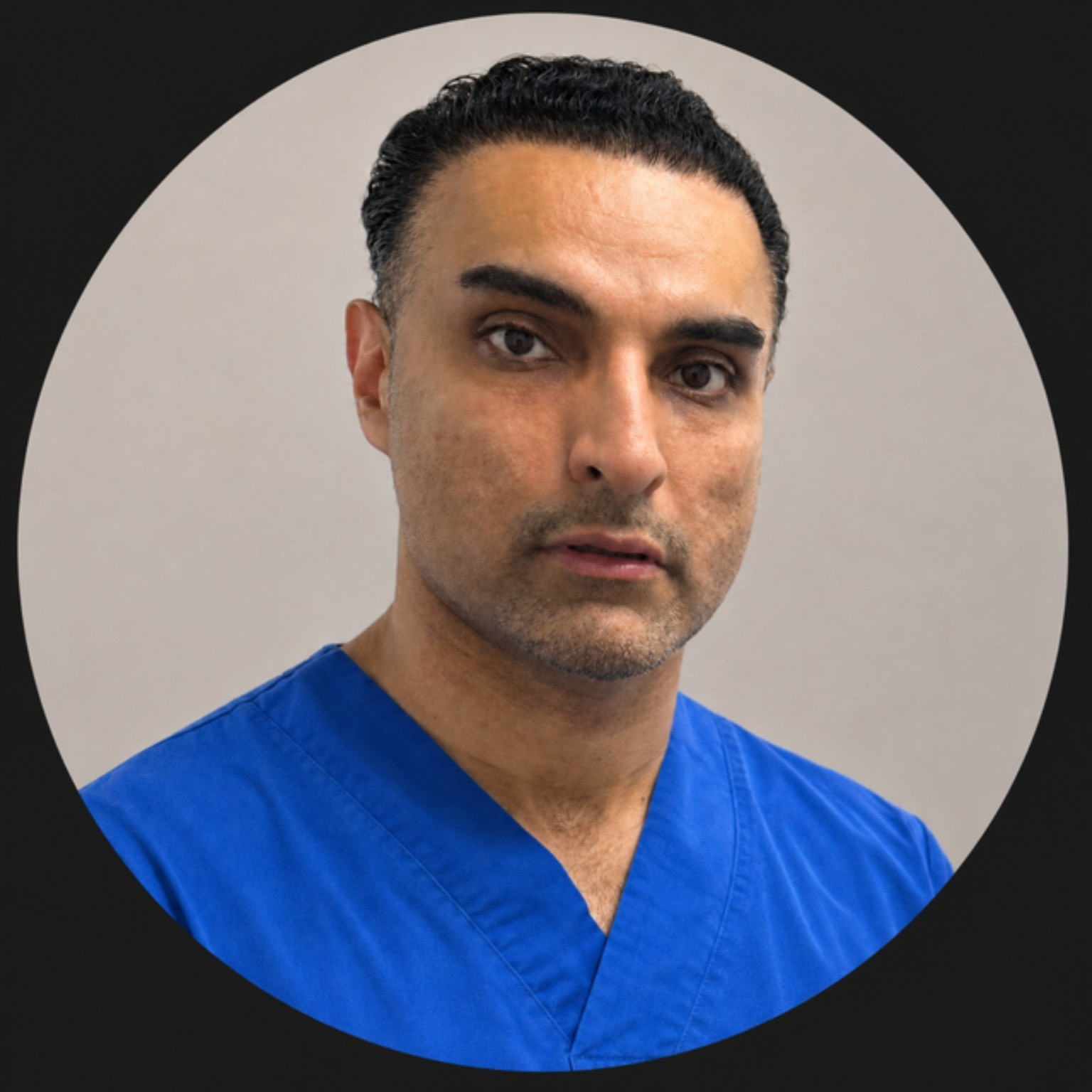
Dr Harpreet Kalra
Hair Transplant Surgeon
GMC reference: 7126076
Our surgeon is supported by our team of hair technicians. Find out more about the surgical team and the treatments we offer.
Meet Dr Harpreet KalraWhere to Find Our London Clinic
Our London clinic is on Harley Street. The address is:
22a Harley Street
London
W1G 9PF
Contact our team if you have questions about your consultation or travelling to the clinic.
Contact Our London ClinicInside Our London Clinic
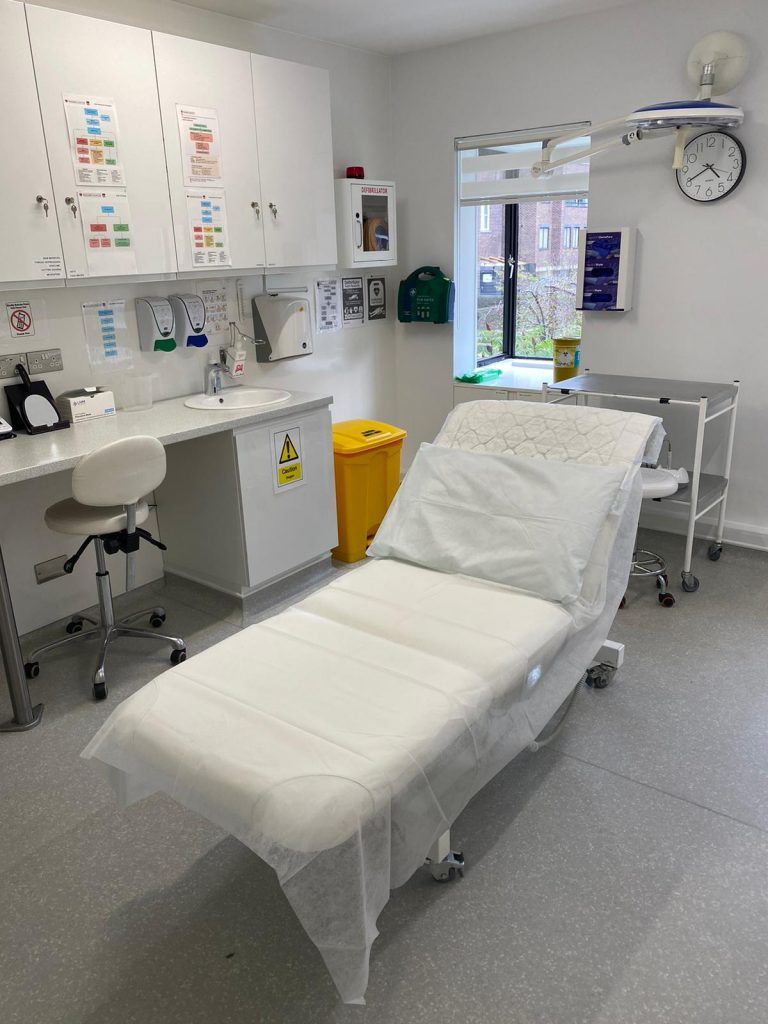
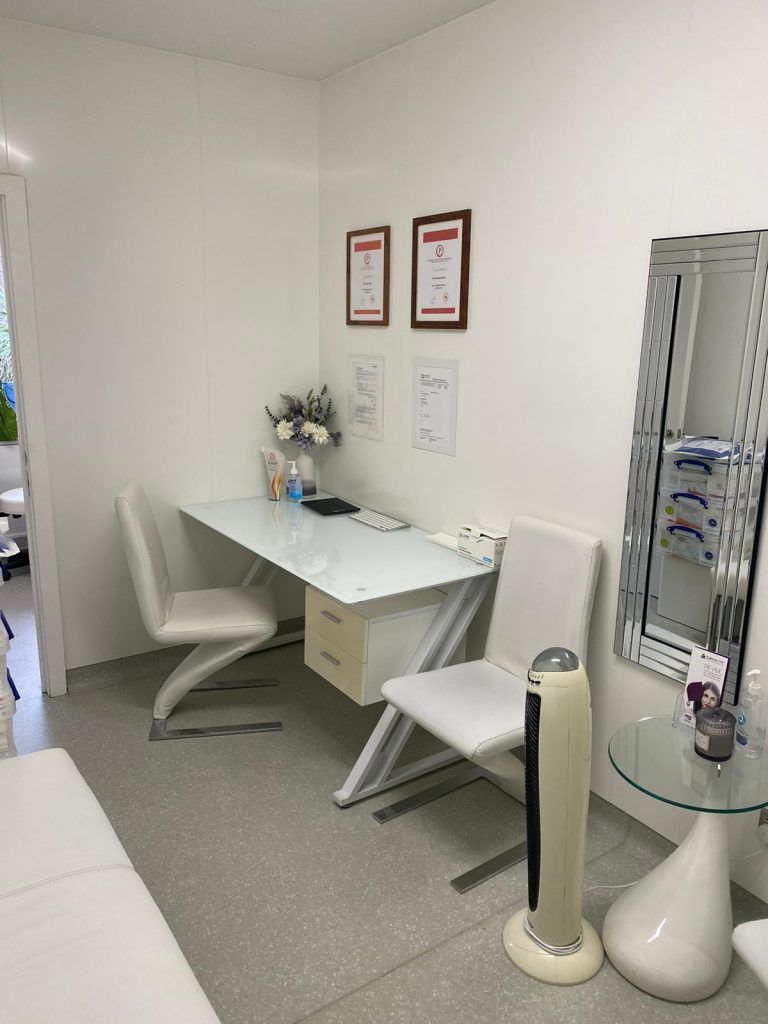
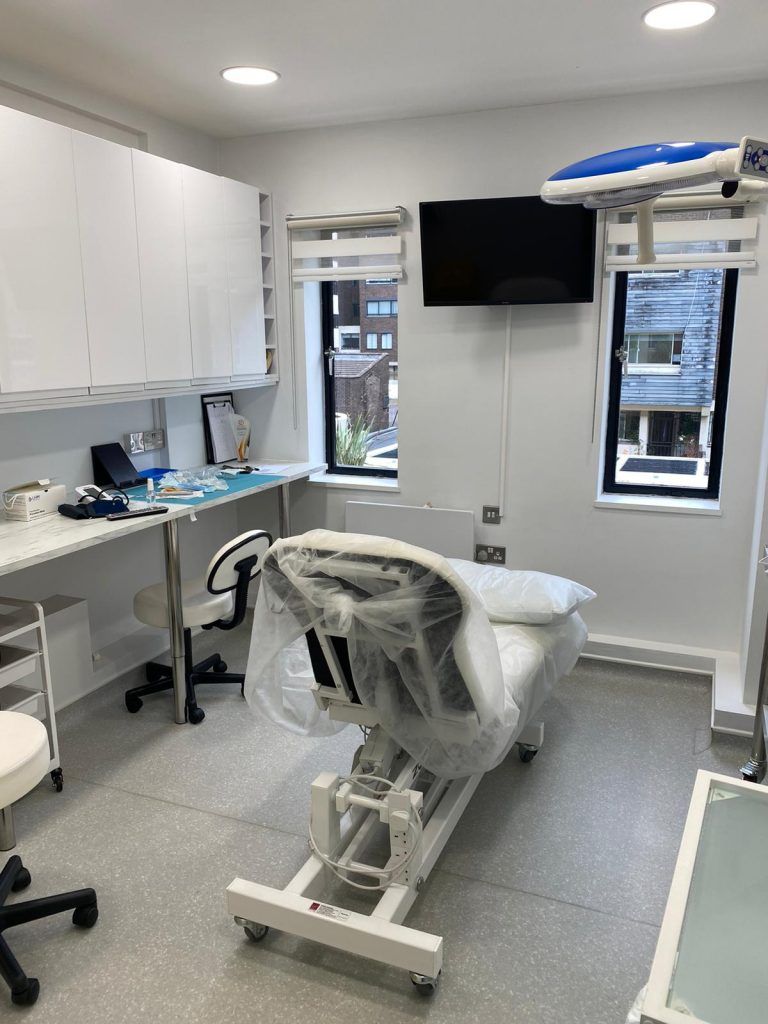
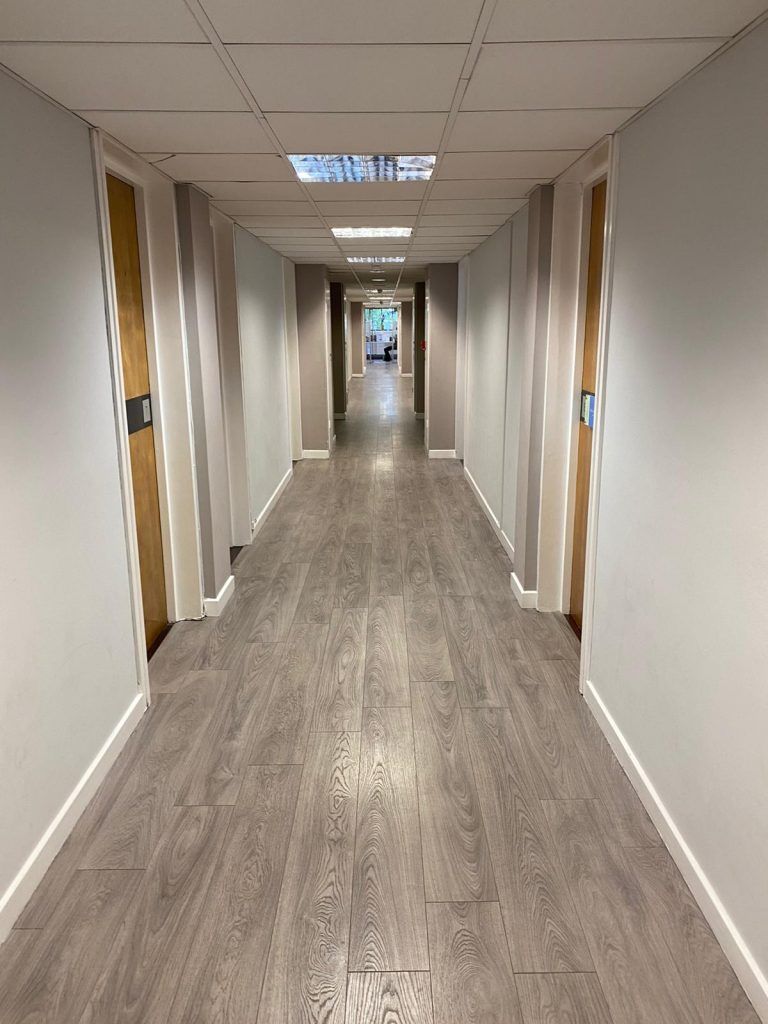
A Wealth of Experience
Our surgeon, Dr Harpreet Kalra, is supported by our team of hair technicians. Your consultation is a chance to discuss your treatment options, donor hair, likely results and aftercare.
Meet Our Surgical TeamOur UK Clinics
Looking for a clinic closer to home? Explore our UK locations and contact the team to discuss consultation availability.
View Our ClinicsAftercare & Support
Our patients receive written aftercare instructions and can contact our team for support after surgery.
These instructions act as a reference for the first 14 days after surgery. They include information about taking care of your newly transplanted hair grafts, when and how to use any saline spray provided, and when and how to wash your donor and recipient areas. They also cover frequently asked questions about swelling and itching.
Hair Loss Treatment Guides
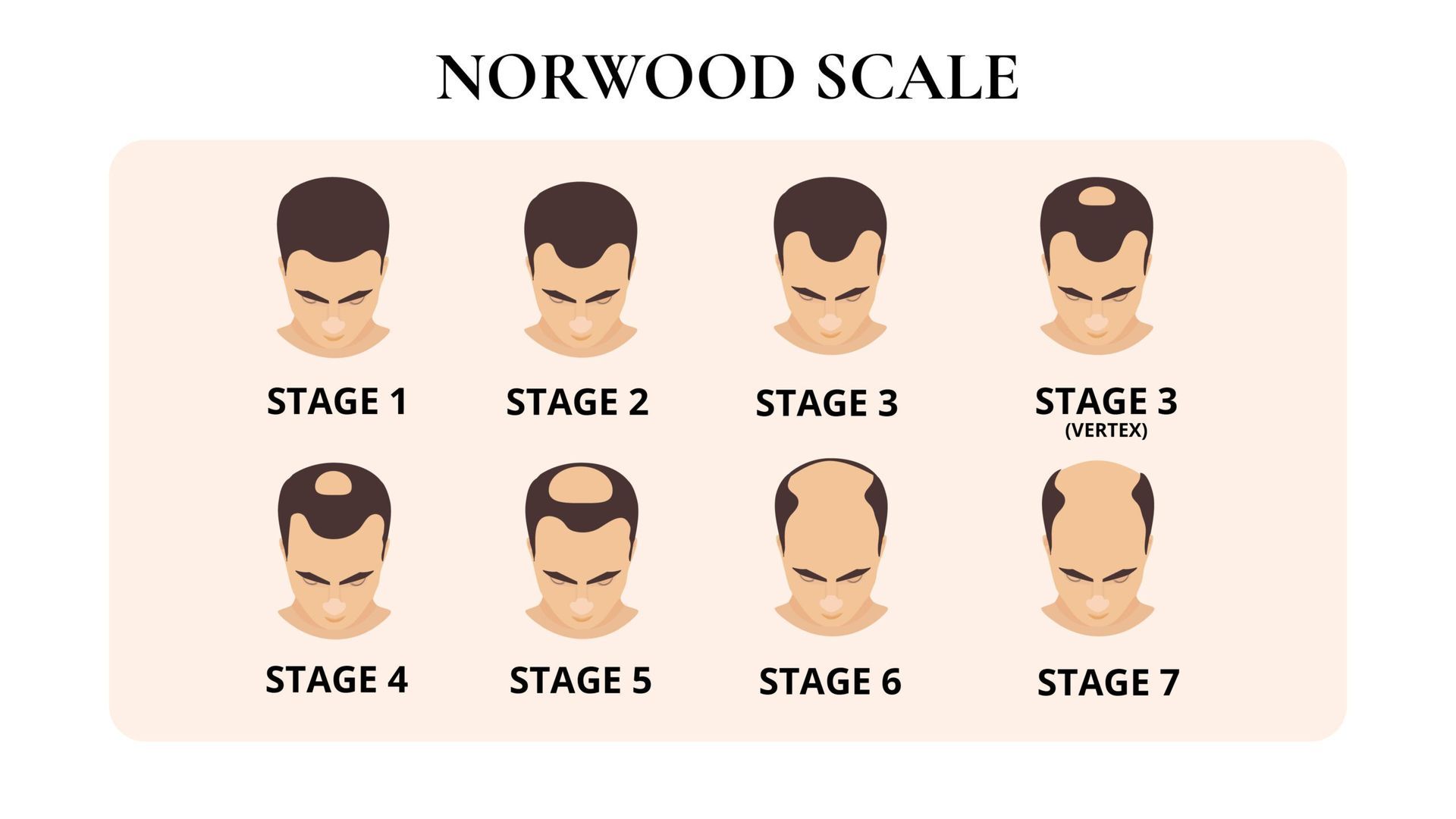
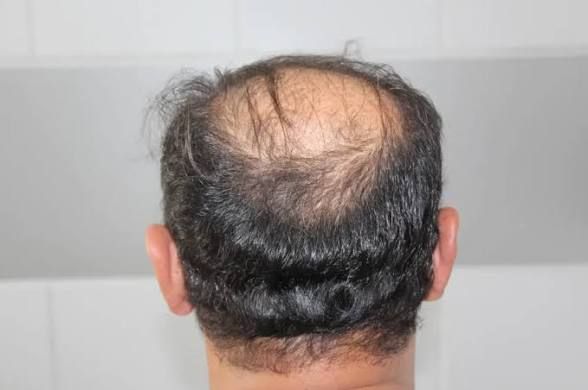
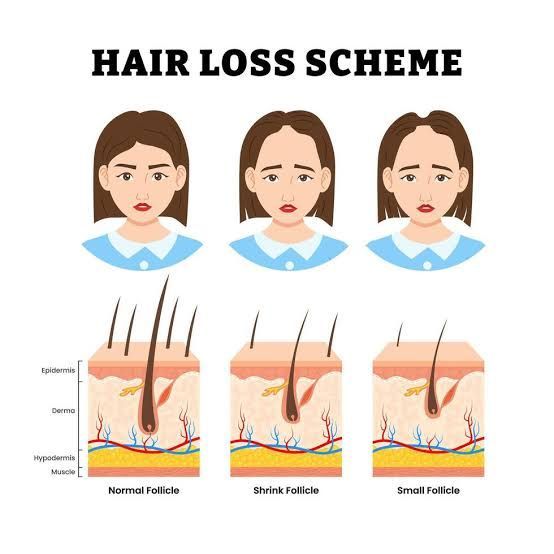
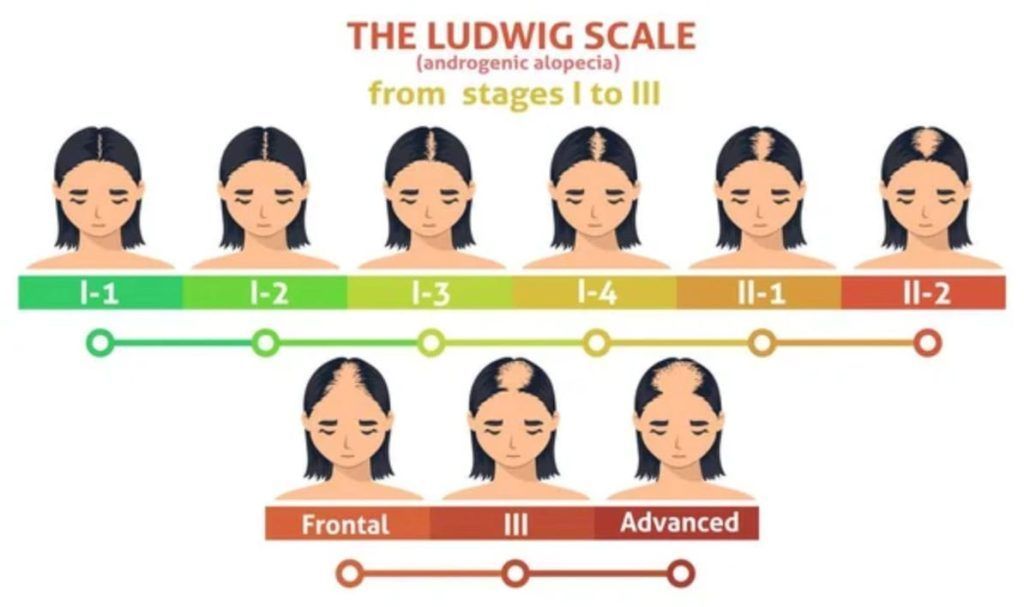
Hair Loss Medication Guides
 Hair loss medication guides
Finasteride for hair loss: results, side effects and UK advice
 Hair loss medication guides
Dutasteride for hair loss: results, side effects and UK advice
 Hair loss medication guides
Minoxidil for hair loss: uses, results and side effects
 Medication & hair loss
Does Mirtazapine Cause Hair Loss?
Latest Articles

Your Questions Answered
For any questions about our hair restoration treatments, please call 020 8088 1333, message us on WhatsApp, or fill in our free consultation form below.