Elon Musk’s hair: why photographs cannot confirm a transplant
A visible change does not establish a procedure, a surgeon, a price or a medical history.

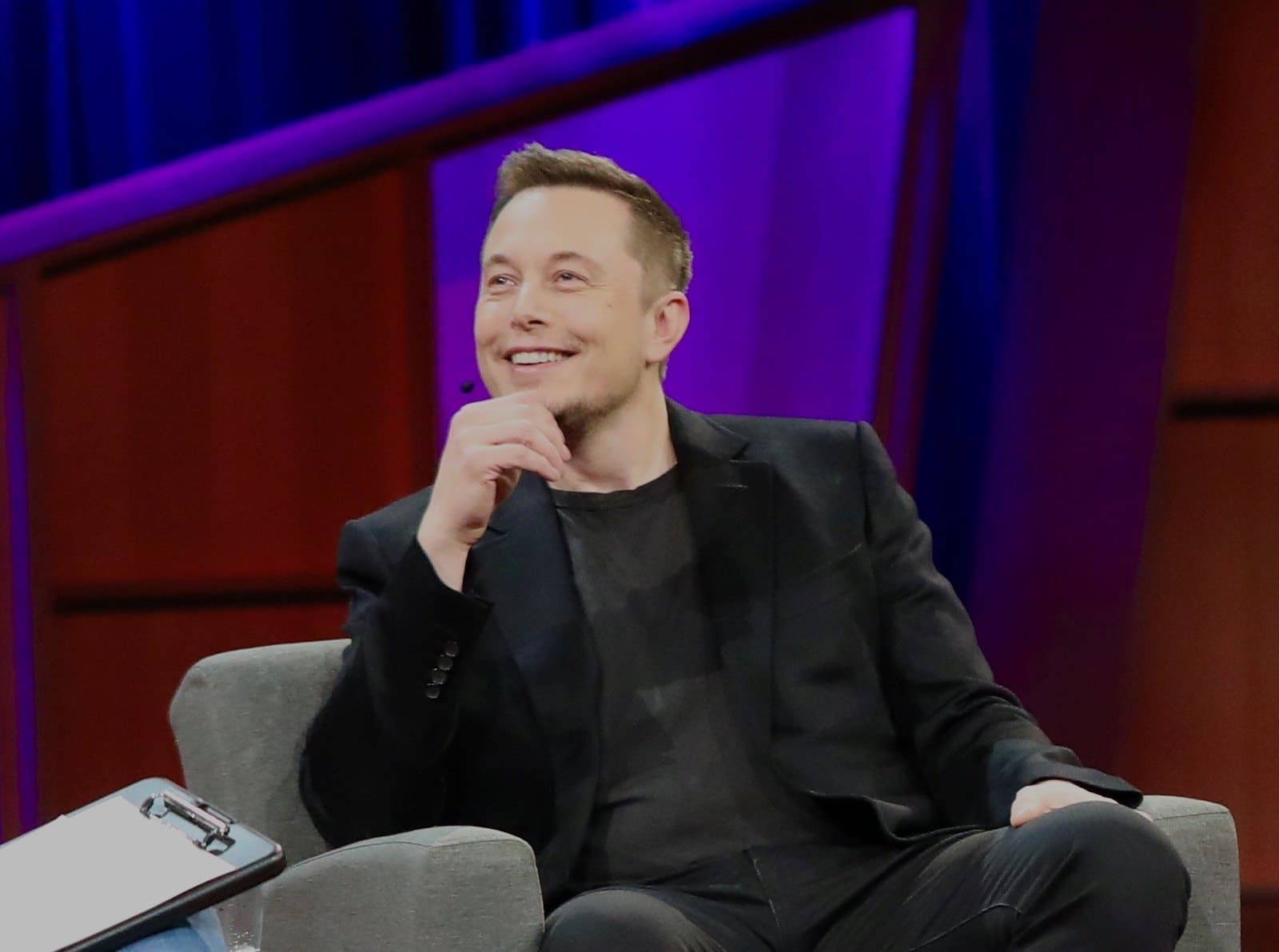
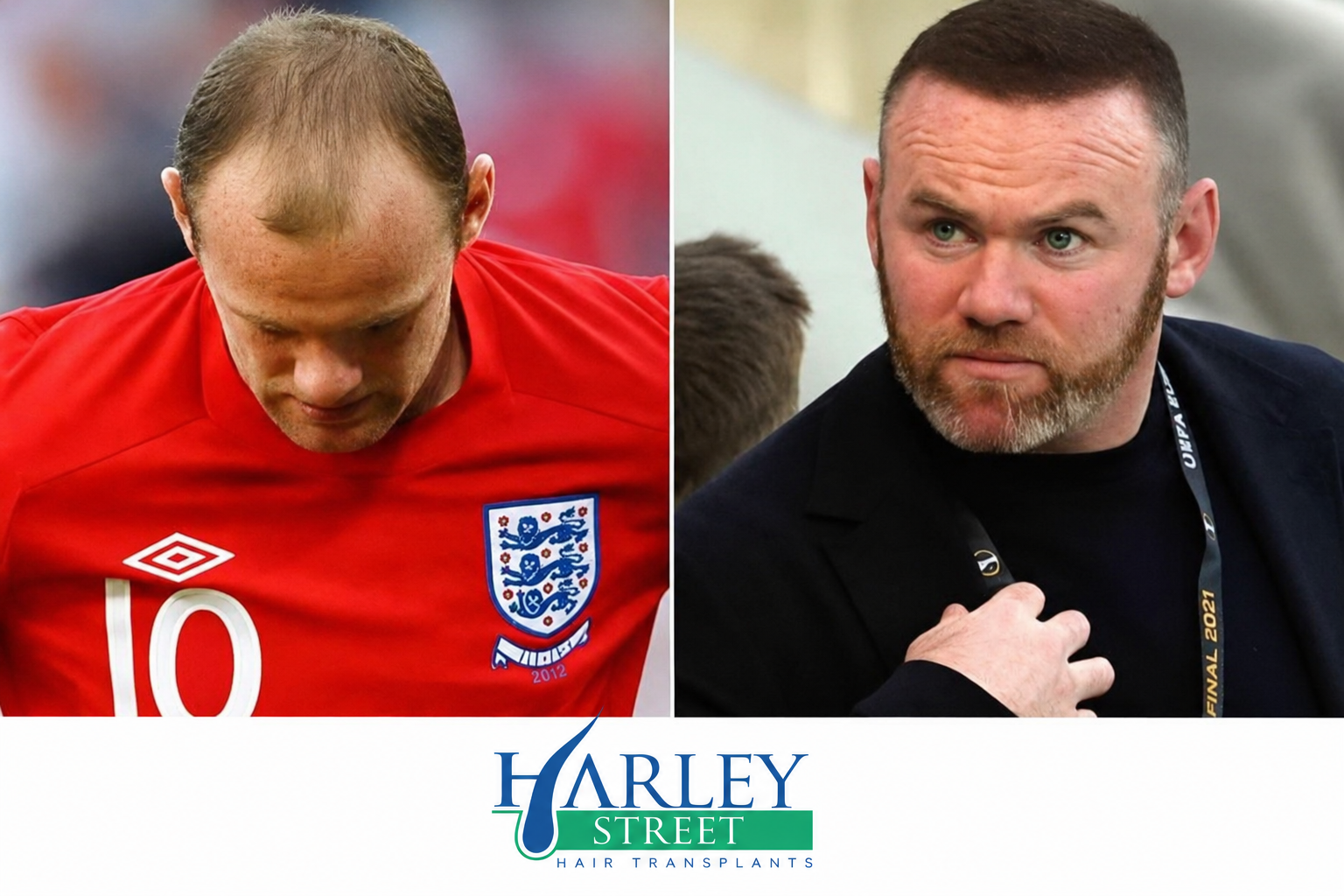
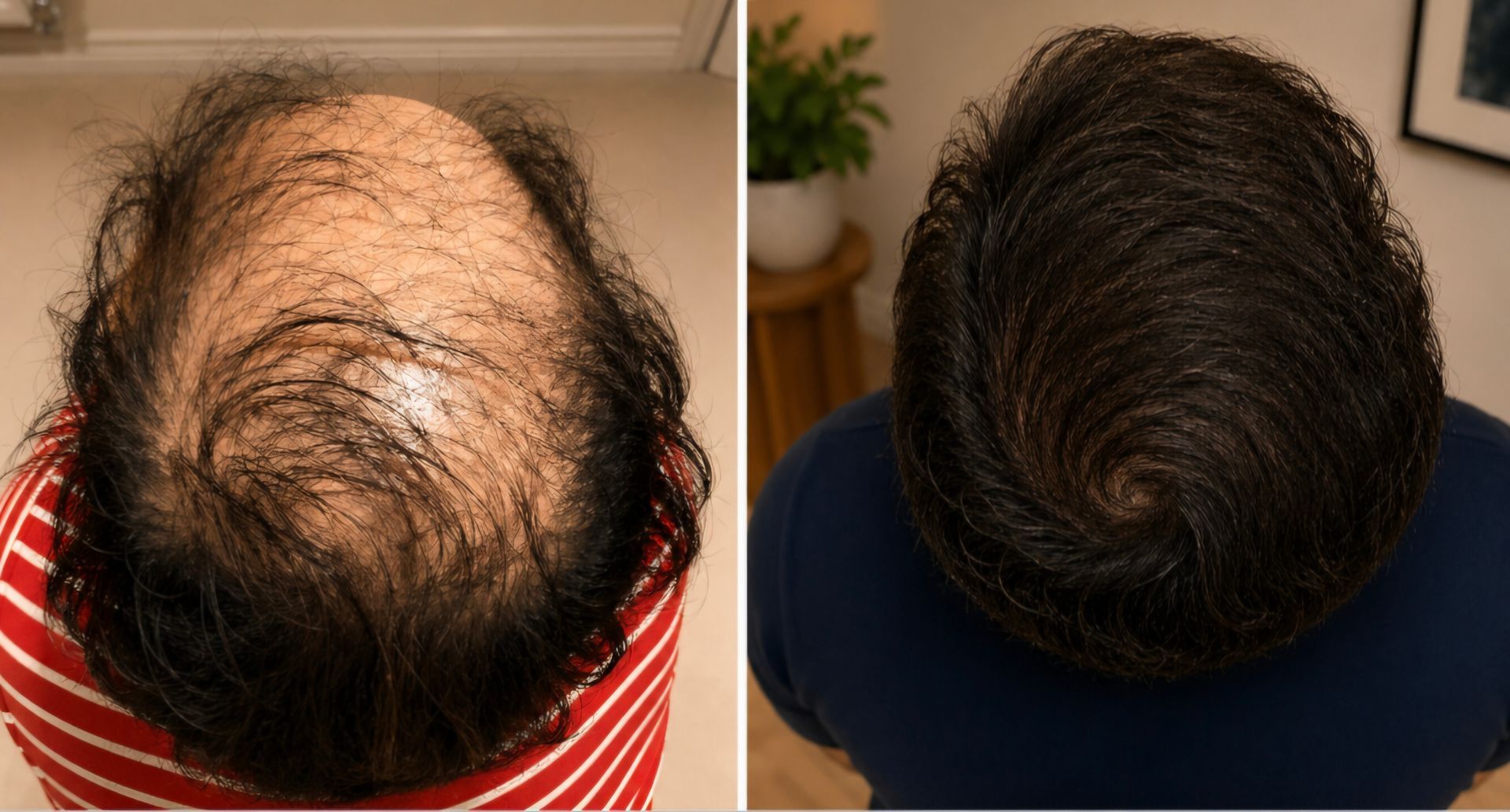
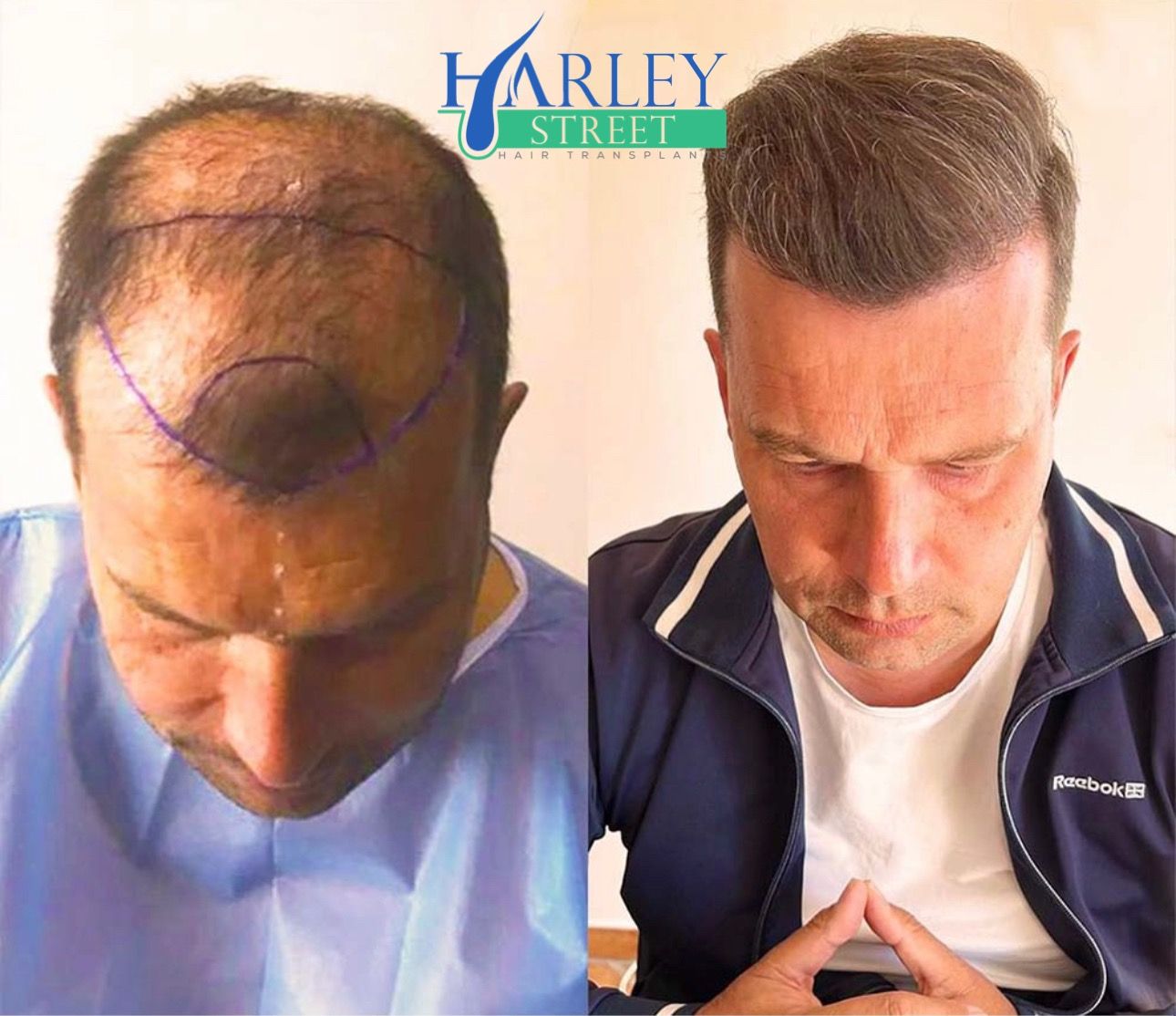
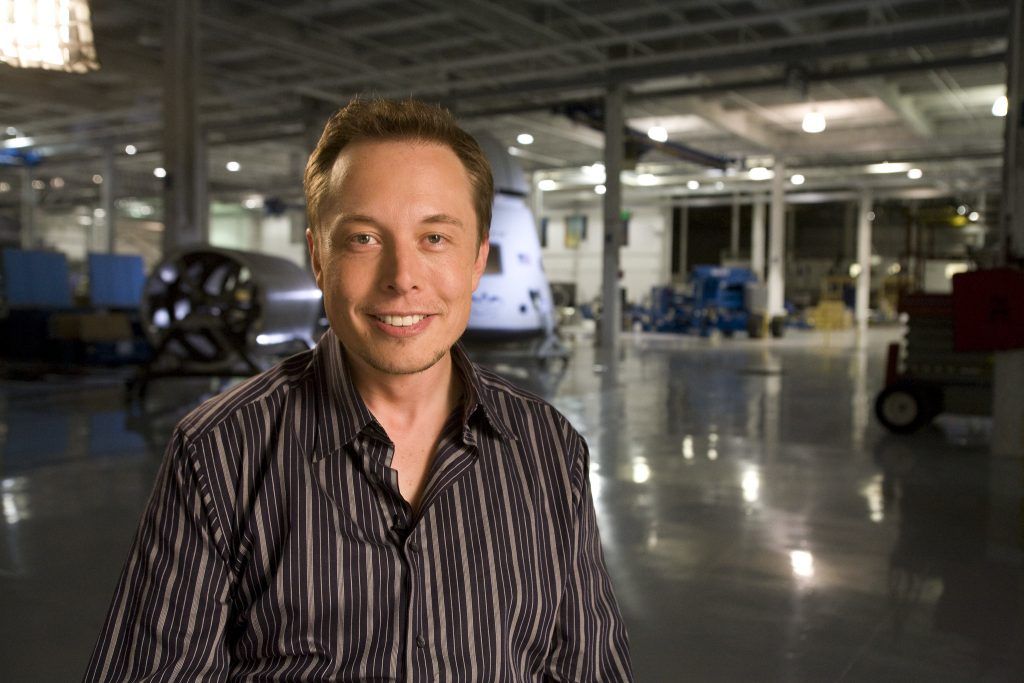
Elon Musk's hair has been the subject of speculation, but we do not have verified confirmation of a transplant to report here. Comparisons between earlier and later photographs can show a change in appearance. They cannot prove how that change happened.
What the photographs leave unanswered
Hair length, styling, lighting and camera angle affect apparent density. A photograph also cannot establish whether a person has used medication, fibres or another cosmetic approach. It does not reveal a graft count or the condition of the donor region.
For those reasons, this article does not assign Musk a technique, surgeon, price or surgical date. Nor does it diagnose a precise stage of hair loss from selected images. Those details would require reliable confirmation.
Why FUE versus FUT cannot be settled from the front
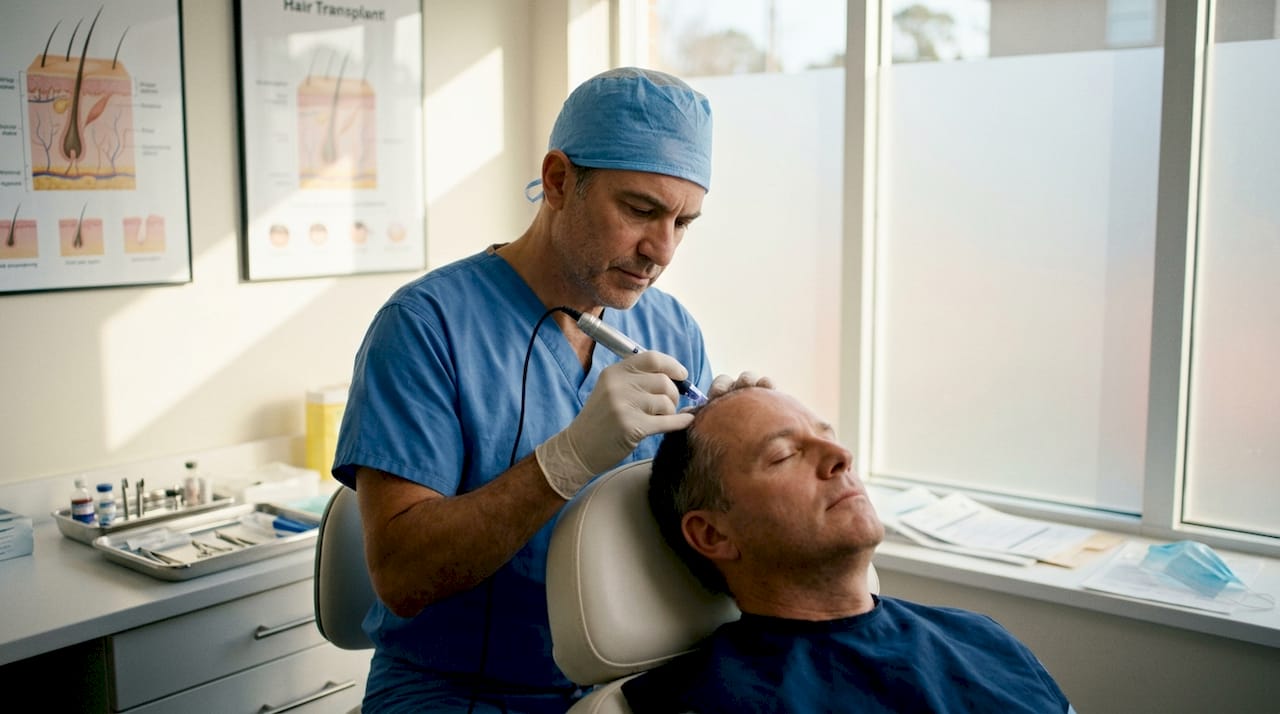
FUE and FUT describe different ways of obtaining donor grafts. FUE leaves small individual extraction scars; FUT leaves a linear scar. Both methods place grafts into a planned recipient area.
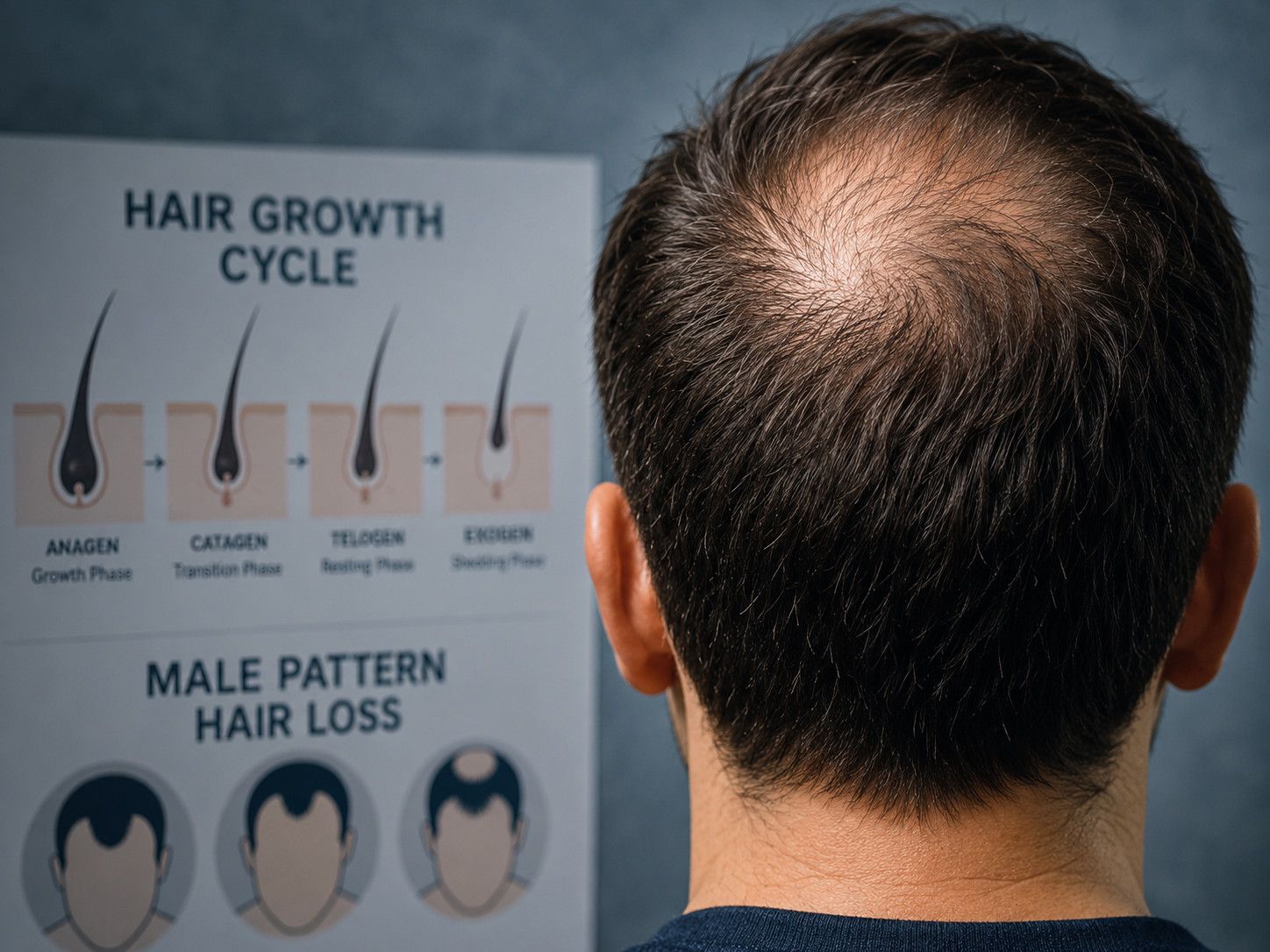
A frontal photograph does not show which harvesting method was used, if any. Even a view of the back of the head can be inconclusive because hair length and image quality affect what can be seen. Our techniques guide explains the distinction without guessing about a public figure's treatment.
What a useful comparison looks like for your own care
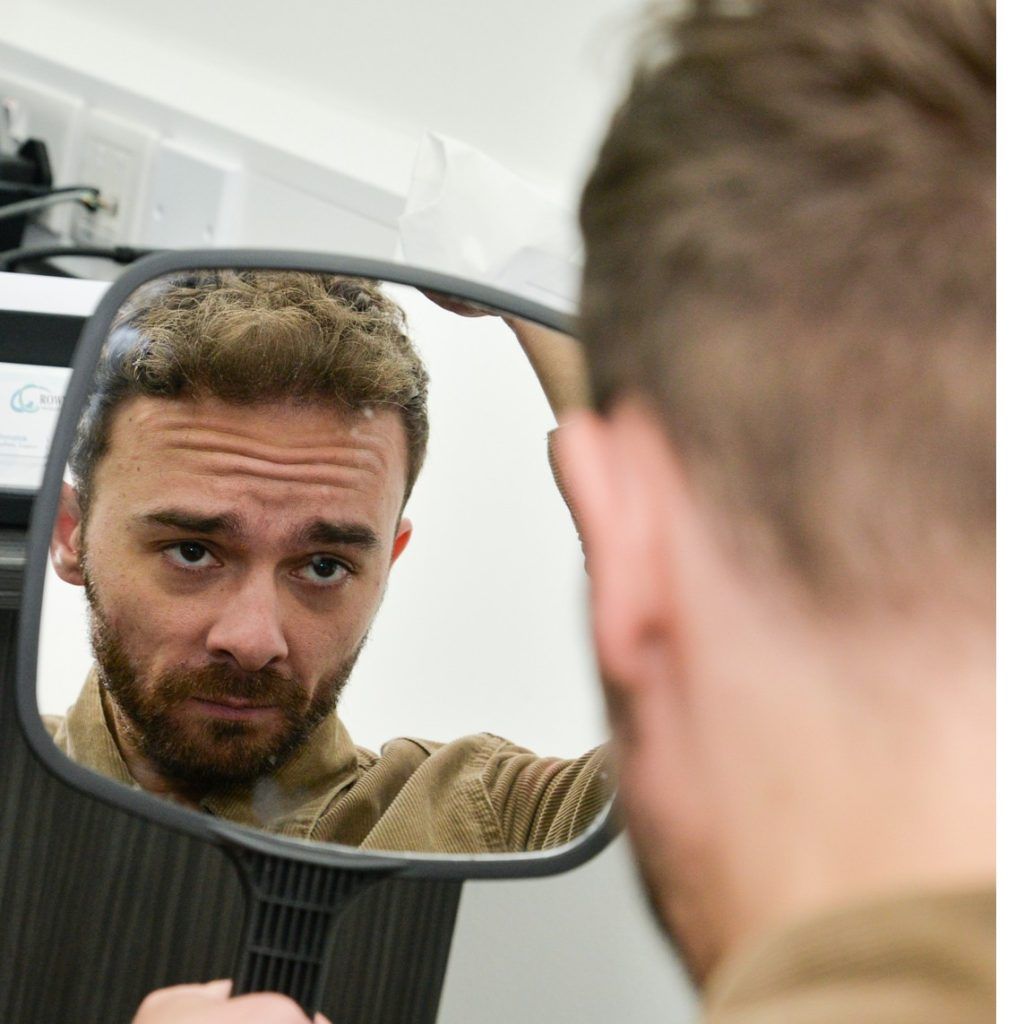
If you are documenting your own hair, use the same angle, lighting and hair condition. Include the front, top and crown as appropriate. Older photographs can help a clinician understand the progression, but they should be considered alongside an examination.
A consultation needs to assess scalp health, donor supply and the stability of loss. A broad improvement in another person's appearance does not establish that the same coverage is available to you.
What transplantation can realistically change
Surgery redistributes existing follicles. It may strengthen a hairline or improve selected areas of coverage, but it cannot make donor hair unlimited. The design must also account for native hair that may continue to thin.
Hair thickness, curl and colour contrast influence apparent density. Two similar graft counts can produce different visual effects. Ask the surgeon to explain a goal in terms of your own hair and scalp rather than an exact celebrity resemblance.
Questions to take from a celebrity story
If the story has prompted you to consider treatment, focus on the questions it raises for you: what is causing your loss, whether it is progressing and what options fit your priorities. Our treatment options guide covers medication, surgery and cosmetic choices.
For general information about the operation, the NHS hair transplant page explains methods and risks. A useful next step is an assessment of your own situation, not a diagnosis of someone in a photograph.
Questions and answers
Has Elon Musk's transplant been confirmed here?
No. This article does not claim to have verified a procedure or his private treatment history.
Can you estimate what he paid from the result?
No. A photograph cannot establish a personal treatment bill. We do not publish a speculative price as fact.
Can I bring a celebrity photograph to a consultation?
Yes, to communicate preferences. The surgeon should explain which aspects are realistic given your hair characteristics, donor supply and future loss.